CAN TRONA -CENTER FOR CULTURE AND NATURE.
DEFINITION AND OBJECTIVES
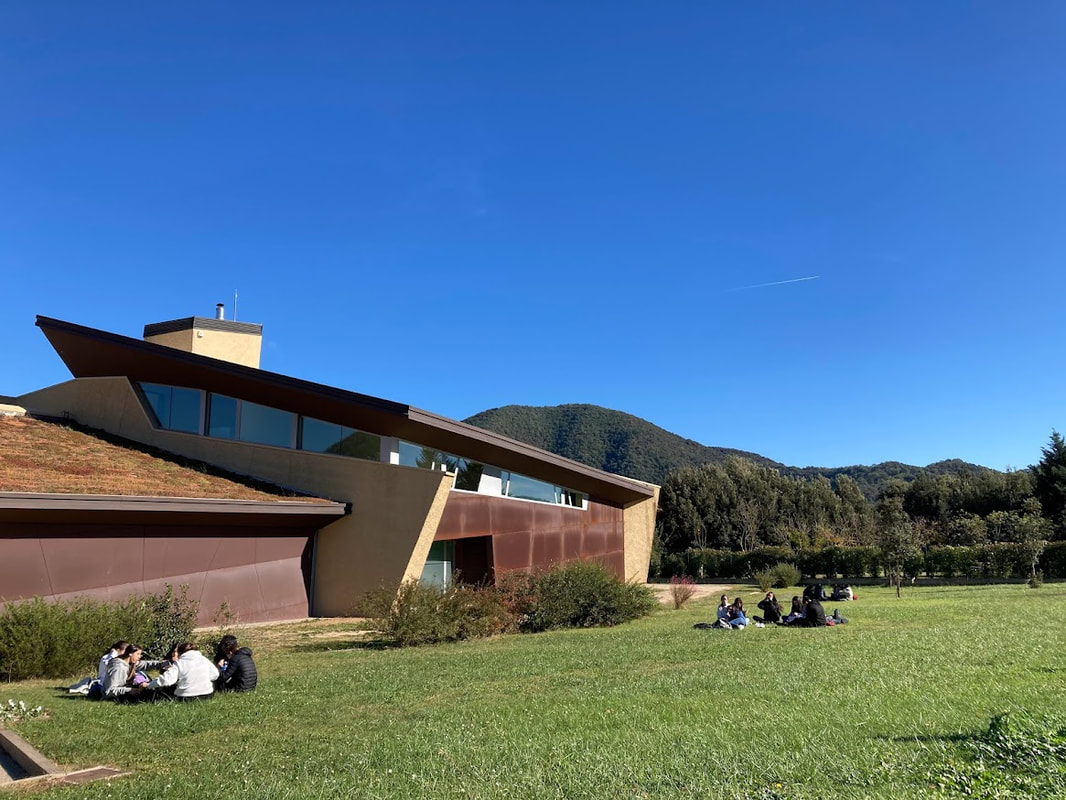
Can Trona is a Center for Culture and Nature located at the base of the Puigsacalm massif. Surrounded by mountains and an idyllic environment in the heart of rural surroundings, it serves as the starting point for many cycling and hiking routes.
It includes a study room, an auditorium, exhibition halls, the tourist office, and spaces for cultural activities, nature outings, workshops, and conferences. Its main objectives are to enhance rural heritage, bring culture and sustainability values to citizens, support local entities, offer educational activities, and work towards sustainable tourism.
As an institution, the Center for Culture and Nature of Vall d'en Bas aims to help disseminate and preserve artisan techniques, trades, and artistic expressions of rurality by connecting art, culture, nature, and the rural world.Through the activities and actions promoted by this facility, it seeks to emphasize that rural contexts are not outside the realm of creation. On the contrary, they produce many diverse and high-quality artistic expressions.
In summary, Can Trona is a versatile center with the ability to promote actions, energize groups, and create spaces for reflection and research. It is a fully sustainable facility with values and axes of action fully aligned with the Sustainable Development Goals (SDGs).LKÑJFASLKFJAADFASFDSAFAS
Can Trona is a Center for Culture and Nature located at the base of the Puigsacalm massif. Surrounded by mountains and an idyllic environment in the heart of rural surroundings, it serves as the starting point for many cycling and hiking routes.
It includes a study room, an auditorium, exhibition halls, the tourist office, and spaces for cultural activities, nature outings, workshops, and conferences. Its main objectives are to enhance rural heritage, bring culture and sustainability values to citizens, support local entities, offer educational activities, and work towards sustainable tourism.
As an institution, the Center for Culture and Nature of Vall d'en Bas aims to help disseminate and preserve artisan techniques, trades, and artistic expressions of rurality by connecting art, culture, nature, and the rural world.Through the activities and actions promoted by this facility, it seeks to emphasize that rural contexts are not outside the realm of creation. On the contrary, they produce many diverse and high-quality artistic expressions.
In summary, Can Trona is a versatile center with the ability to promote actions, energize groups, and create spaces for reflection and research. It is a fully sustainable facility with values and axes of action fully aligned with the Sustainable Development Goals (SDGs).LKÑJFASLKFJAADFASFDSAFAS
cAcAN tRONA ÉS
|
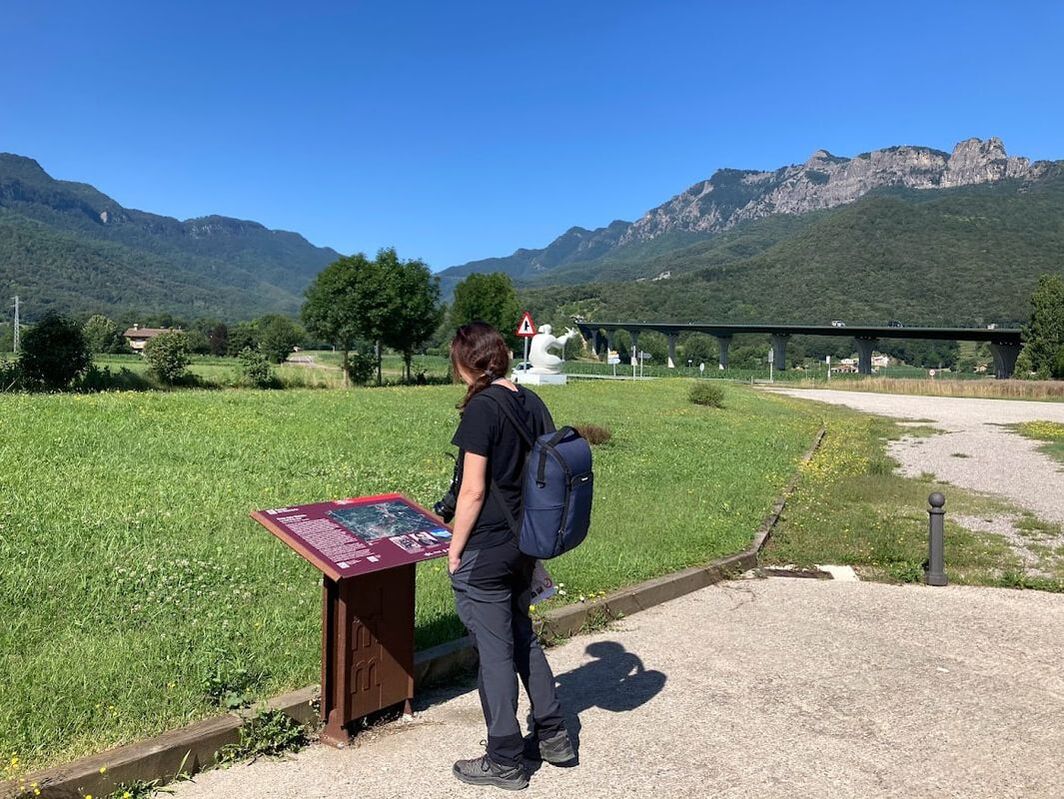
HICKING
|
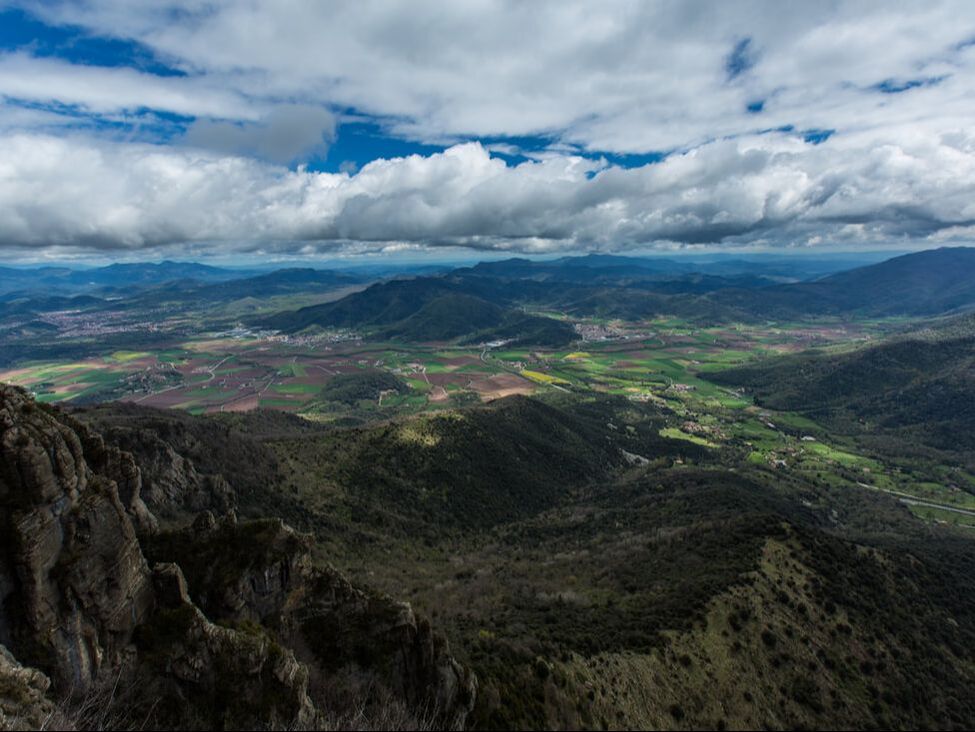
VILLAGES OF LA VALL D'EN BAS
|
TOURISM, TRADE AND ACTIVITIES OF LA VALL D'EN BAS